
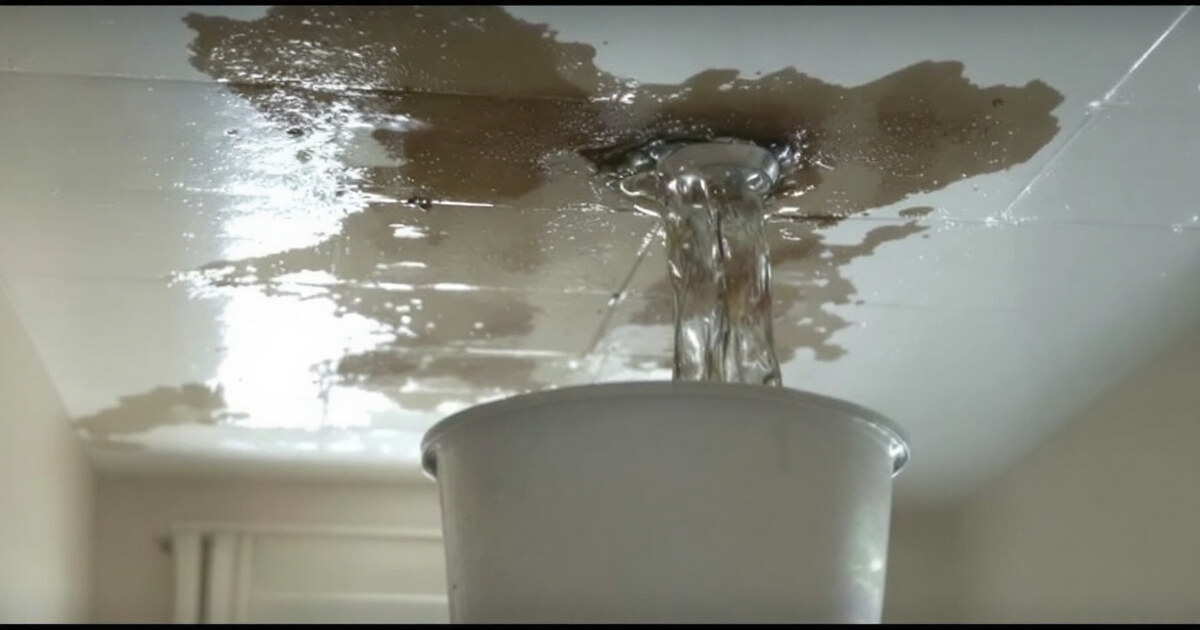

A tenant calls at 11:40 on a Saturday night because a kitchen tap is dripping. Another waits until Monday morning to mention that the only toilet in the unit has not flushed since Friday. Both tenants are being entirely reasonable by their own lights, because neither has ever been told what warrants a call after hours.
This is one of the few problems in property management that is genuinely solved by a single page of writing.
Three Categories, Defined by Consequence
The useful distinction is not how upset the tenant is. It is what happens if the problem waits. That framing produces definitions that are defensible, consistent, and easy to explain.
Emergency: responded to immediately, at any hour
Something that threatens safety, health, or causes ongoing damage to the building with every passing hour.
- No heat, when outside temperatures are below roughly five degrees. In a New Brunswick January this is not an inconvenience, it is a habitability and pipe-freezing emergency.
- No water at all, or no hot water in freezing conditions.
- Active water leak or flooding that cannot be stopped by shutting a valve.
- Sewage backup into the unit.
- Gas smell. This goes to the utility first and you second.
- Electrical burning smell, sparking outlet, or exposed live wiring.
- Fire, or a fire alarm system fault leaving the building unprotected.
- Carbon monoxide alarm sounding. Occupants leave the building and call emergency services first.
- The unit cannot be secured — a broken exterior door, a lock that will not engage, a ground-floor window that will not close.
- The only toilet in the unit is unusable.
That last one surprises people, and it should be there. A household with no functioning toilet has no functioning home.
Urgent: next business day
Something that meaningfully impairs the use of the home but is not deteriorating hour by hour.
- Refrigerator or freezer not cooling.
- No hot water in mild weather.
- Stove or oven completely inoperative.
- One of several toilets out of service.
- A leak that has been contained by shutting off a valve.
- Heat failure in shoulder season.
- Interior door lock failure that does not compromise building security.
- Pest activity, which spreads if left.
Routine: scheduled within a defined window
Everything else. Dripping taps, running toilets, a burnt-out fixture, a stiff window, minor drywall damage, a slow drain, a noisy fan. Commit to a specific window — five business days is a reasonable standard — and hold to it.
The commitment matters more than its length. A tenant told “within five business days” who then sees it happen in four is satisfied. A tenant told “we will get to it” is dissatisfied on day two regardless of what happens next.
Why Written Policy Changes Behaviour
Tenants do not call at midnight about dripping taps because they are unreasonable. They call because they do not know the alternative, they are worried it will be ignored if they do not make it urgent, or they have learned from experience that non-urgent requests disappear.
A written policy fixes all three. It tells them what merits a call now, it promises a response window for the rest, and — this is the part that does the work — it commits you to honouring the routine window. Tenants escalate when the normal channel is unreliable. Make the normal channel reliable and escalation mostly stops.
Writing It So It Works
- One page. Three categories, examples under each, the contact method for each, and the response commitment. If it runs to four pages nobody reads it and you have achieved nothing.
- Concrete examples, not principles. “No heat when it is below five degrees” is usable at eleven at night. “Conditions materially affecting habitability” is not.
- Give it out at move-in and walk through it. Two minutes during the inspection, when the tenant is paying attention. Also post it in the tenant portal and on the notice board in multi-unit buildings.
- Different contact methods per category. Emergencies get a phone number answered by a person. Urgent and routine go through the portal or a form, in writing, with photos. This routes work correctly without requiring the tenant to judge anything.
- Say what happens if they get it wrong. Which should be: nothing punitive. A tenant who reports a genuine emergency that turns out to be minor did the right thing. Telling them that explicitly prevents the far more dangerous failure, where a tenant does not report an actual emergency out of fear of being scolded.
- Cover self-help. Where the water shutoff is, where the breaker panel is, how to reset a GFCI outlet. A tenant who can stop a leak converts an emergency into an urgent call, and saves everyone a great deal of money.
Your Side of the Bargain
The policy binds you more than it binds the tenant, and that is the point. If you commit to same-day emergency response, you need an after-hours number someone actually answers and vendors who will attend outside business hours — arranged in advance, not located at 10 p.m. during the incident.
If you commit to five business days on routine work, you need a queue that ages visibly and a habit of clearing it. A policy you publish and then miss is worse than no policy, because you have now documented your own standard and failed it in writing.
What It Costs and What It Returns
An hour to write, two minutes per tenant to explain, and a standing arrangement with vendors for after-hours coverage. In return: dramatically fewer unnecessary midnight calls, dramatically fewer genuine emergencies discovered three days late, and a portfolio where the manager can be off duty some of the time.
There is a version of this job where the phone is a constant low-grade threat, and a version where it is not. One page of clear writing is most of the difference.