

Every property manager in New Brunswick and Nova Scotia knows the shape of a bad January. The phone rings at 2:14 a.m., a tenant is standing in four inches of water, and the only plumber answering the phone is charging emergency rates to do a repair that would have cost a fraction of that in October. The frustrating part is not the cost. It is that the failure was almost always visible three months earlier.
A fall walkthrough is not a casual look around. It is a scheduled, documented inspection with a fixed checklist, run on every property between the middle of September and the end of October. Done properly, it is the single highest-return hour a property manager spends all year.
Why Timing Matters More Than Thoroughness
There is a narrow window in the Maritimes when fall work is both possible and affordable. Before mid-September, the problems have not revealed themselves yet. After the first hard freeze, exterior caulking will not cure, contractors are booked solid, and any work involving water shutoffs becomes risky.
That window is roughly six weeks. If you manage twelve properties and each walkthrough takes forty minutes, you need eight hours of field time. That is one working day, booked in advance, to protect an entire portfolio through the worst four months of the year. Managers who treat this as something to fit in when things quiet down never do it, because things never quiet down.
The Checklist That Actually Catches Things
Generic checklists produce generic results. The items below are the ones that, in Atlantic Canadian housing stock, account for the overwhelming majority of winter emergency call-outs.
Water, in every form
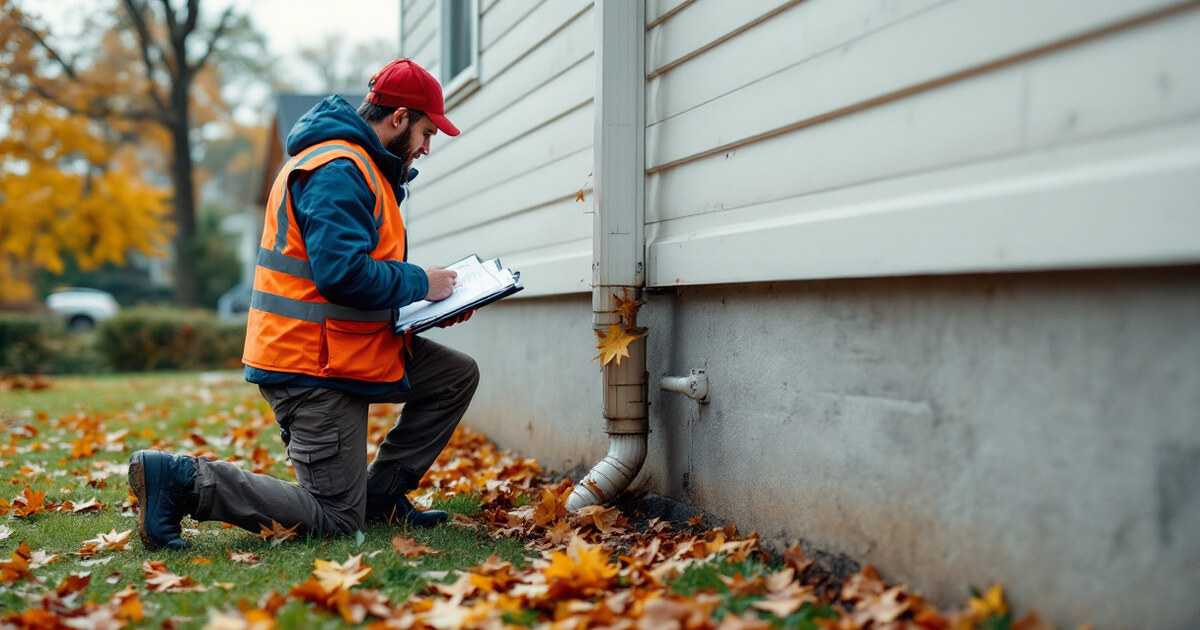
- Exterior hose bibs: Confirm each one is shut off at the interior valve and drained. A single forgotten hose left attached over winter can split a supply line inside a wall. Check that the hose is actually removed, not just loosened.
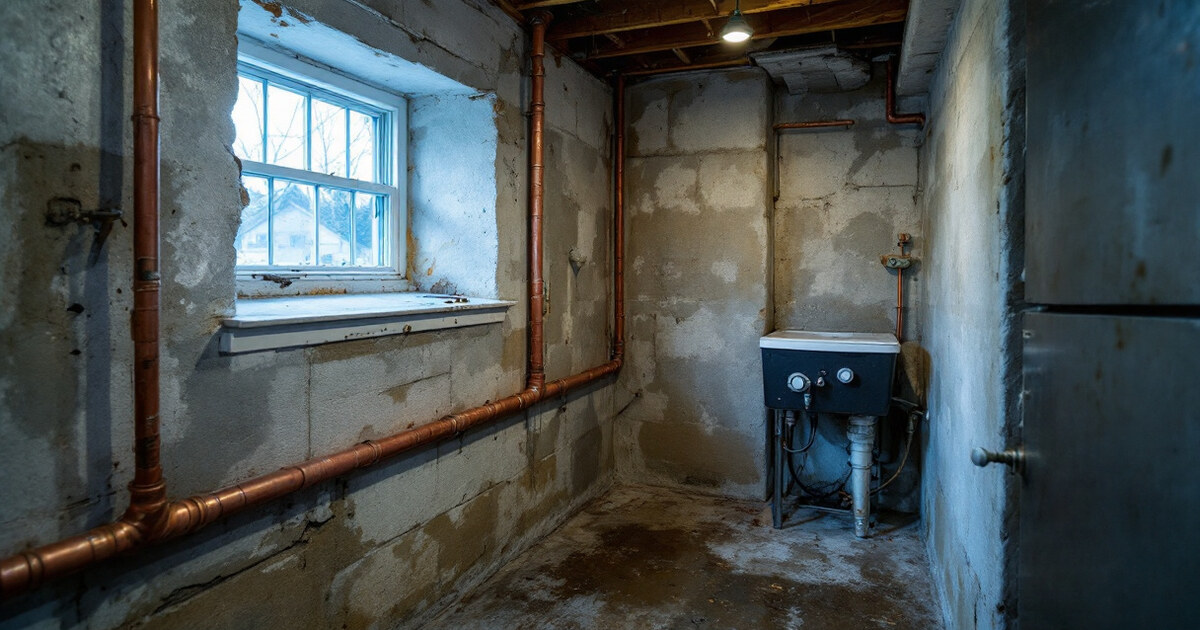
- Pipes on exterior walls and in crawl spaces: Walk the basement with a flashlight and look specifically for supply lines running along uninsulated exterior walls, near foundation vents, or through unheated additions. These are where freeze claims start.
- Foundation vents and crawl space access: Confirm they close and that the closures still latch. Rusted-open vents are common in older stock.
- Sump pump: Pour a bucket of water into the pit and watch it cycle. A pump that has not run since spring is a pump you cannot assume works.
- Water heater: Note the age off the label. Anything past twelve years should be on a replacement list, not a repair list, because it will fail on the coldest weekend of the year.
The building envelope
- Gutters and downspouts: Clear them, and confirm downspouts discharge at least six feet from the foundation. Clogged gutters cause ice dams, and ice dams cause interior ceiling damage that tenants notice long before you do.
- Roof edge and flashing: From the ground with binoculars is fine. You are looking for lifted shingles at the eaves, damaged flashing at chimneys, and any sag along the ridge.
- Weatherstripping and door sweeps: Cheap to replace, and the most common cause of a tenant calling to say the unit is cold and the heating bill is unreasonable.
- Window seals and storm windows: Check for failed seals and confirm storm windows are installed and latched where the unit still uses them.
Heat and life safety
- Heating system service: Book it before the rush. A furnace or heat pump that has been serviced in the fall almost never fails in February.
- Filters: Replace them during the walkthrough rather than asking the tenant to do it. It takes two minutes and removes an entire category of dispute.
- Smoke and carbon monoxide alarms: Test each one, replace batteries regardless of whether they chirp, and record the date. Heating season is exactly when carbon monoxide incidents happen.
- Chimneys and wood stoves: If the unit has one and the tenant uses it, confirm it has been swept this year and that you have documentation.
The approach
- Walkways, steps and handrails: A loose handrail in October is a liability claim in January. Ice makes every deficiency here consequential.
- Snow clearing arrangements: Confirm in writing who clears what, by when, and at what trigger depth. This is the most common winter dispute in multi-unit properties, and it is entirely preventable with one paragraph.
- Exterior lighting: Days are short. Burnt-out fixtures over entrances and stairs matter more than they did in June.
Documentation Is the Point
An inspection that lives in your memory is not an inspection. Photograph every deficiency, date it, and attach it to the property record. This does three things at once.
First, it turns an observation into a work order with an owner and a due date, so it does not evaporate. Second, it establishes condition at a known point in time, which matters enormously if a tenant later claims a defect existed at move-in or an owner later asks why a repair was not caught. Third, it gives you a defensible record of reasonable diligence, which is the standard you will be measured against if something goes wrong.
Photograph the good as well as the bad. A dated photo of a properly drained hose bib is worth having when a tenant insists the line was never shut off.
Turning Findings Into Scheduled Work
The walkthrough produces a list. The list is worthless until it is triaged and scheduled. Sort every finding into three buckets before you leave the property.
- Do now: Anything involving water, heat, or life safety. These go to a vendor this week, not this month.
- Do before freeze-up: Envelope work, caulking, weatherstripping, gutter clearing. These need a firm date in October.
- Budget for spring: Work that cannot be done in cold weather or that is genuinely deferrable. Record it now so it is in the owner’s spring conversation rather than forgotten.
Send the owner the triaged list with photos and estimated costs before you book anything beyond the emergency items. Owners approve fall maintenance far more readily than they approve emergency plumbing invoices, because one is a decision and the other is a bill.
The Economics Nobody Runs
Property managers rarely calculate this, and they should. Take your emergency call-outs from last winter, add the after-hours premiums, the tenant compensation, the vacancy where a unit was uninhabitable, and the hours you personally spent managing those incidents. Compare it to one day of fall walkthroughs plus the cost of the preventive work they generate.
The preventive number is almost always smaller, and it is predictable, which owners value nearly as much as it being smaller. It is also schedulable during business hours by vendors you chose rather than vendors who answered the phone.
Make It a System, Not an Intention
The managers who do this consistently have one thing in common: the walkthrough is on the calendar before September arrives, with the checklist attached, the same way rent collection is on the calendar. It is not a task that competes for attention with whatever is urgent that week, because it will lose that competition every time.
Put twelve walkthroughs in the calendar in August. Attach the checklist. Block the day. Then, in February, notice how quiet the phone is.